We create digital solutions that work for businesses
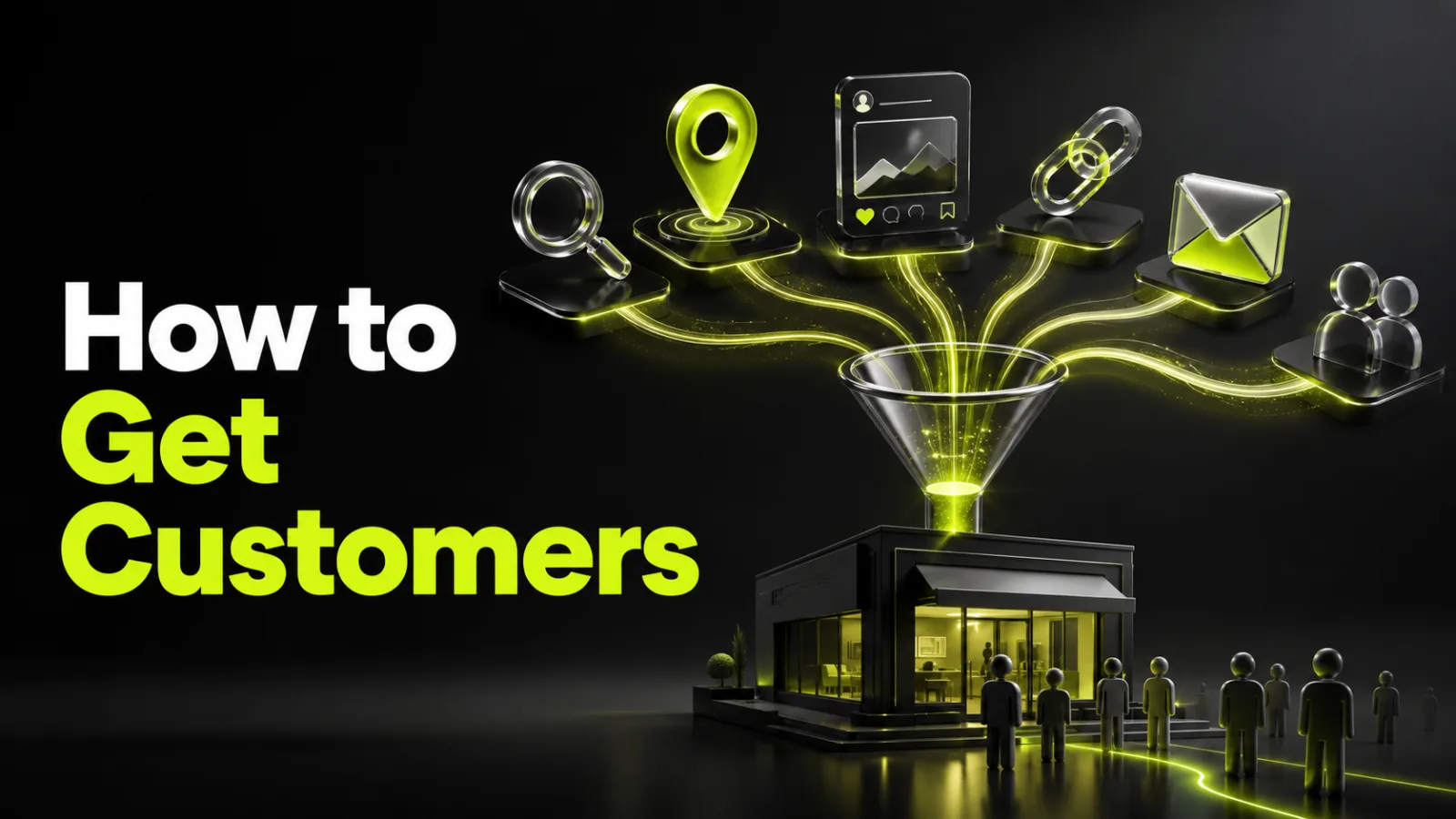
Small businesses rarely struggle because there are too few marketing channels. The real problem is excessive choice. Owners test search, social media, directories, content and partnerships at the same time, collect too little reliable data and conclude that marketing does not work.
A predictable customer pipeline starts before the first campaign. Define the audience, the problem you solve, your allowable customer acquisition cost and the action that counts as a result. Then choose two or three channels, create a clear path to conversion and measure sales rather than clicks.
Demographics alone are not enough. Identify the trigger that starts the search, the criteria people use to compare options, their main concerns, the decision-maker and the places where they already look for information.
A local clinic may depend on urgency, location and trust. A B2B manufacturer needs specifications, minimum order quantities, lead times and a quote request. They require different messages and channels.
The customer should immediately understand what they receive, who the solution is for, why it differs, how pricing works and what to do next. A vague promise about quality and affordability does not provide a reason to choose the business.
Every campaign needs a logical next action: a form, call, booking, purchase, quote request or consultation. Sending all traffic to a generic homepage creates unnecessary friction. If traffic already exists but leads do not, review the 12 common conversion problems.
Use the basic formula:
CAC = total marketing and sales costs / new customers
Compare CAC with gross profit and customer lifetime value, not just revenue from the first order. A cheap lead can still be unprofitable, while a more expensive customer may generate repeat purchases.
Referrals often generate high-trust leads. Ask at the moment the customer has experienced the result, provide a simple link and track the source in your CRM. A transparent referral benefit may help, but a reliable product and service remain the foundation.
This channel is essential for location-based services. Complete the category, service area, hours, contact details, services, photos and target-page link. Google states that local results are primarily based on relevance, distance and prominence. Accurate information, helpful reviews and current visual content make the profile more useful.
SEO fits businesses whose potential customers already search for a problem, service or product. Create dedicated pages for services, categories, locations and meaningful questions. Google describes SEO as helping search engines understand content and helping people discover a site and decide whether to visit it.
Search ads can capture existing demand quickly. Keep the query, ad and landing page aligned. Track forms, calls, bookings and sales rather than treating traffic as the outcome. Google Ads recommends website conversion measurement to understand what people do after interacting with an ad.
Paid social is useful when demand must be created or when the offer is easy to demonstrate visually. Test different message angles—problem, result, process, case study and objection—not only different audiences. Each ad should lead to a matching page.
Content builds familiarity and trust. Organize it around the decision journey: explaining the problem, comparing options, showing the process, presenting evidence and answering objections. Reuse one idea across an in-depth article, a short video, a carousel and an email.
Find businesses that serve the same audience without competing directly. Interior designers can partner with furniture makers; accountants with legal firms; developers with mortgage advisers. Define the shared offer, lead handover and attribution before launching.
Platforms provide access to ready-made demand and can help a new business obtain early orders. The trade-offs are commissions, price competition, limited control and platform dependency. Use them as an additional channel while developing your brand, customer base and owned website.
Existing customers may be less expensive to re-engage than new ones to acquire. Use permission-based communication for service reminders, post-purchase support, relevant recommendations, abandoned enquiries and reactivation. Segment messages by interest and purchase history instead of sending identical promotions to everyone.
For B2B, build a focused company list and contact relevant decision-makers by email, professional networks or phone. A short personalized message with a concrete problem, relevant proof and a simple next step is more useful than a generic mass mailing. Respect privacy and opt-out rules.
Trade shows, webinars and local communities work well for complex offers with a longer trust cycle. Prepare a dedicated page, a useful resource and a follow-up process. Record the conversation context, next action and owner in the CRM.
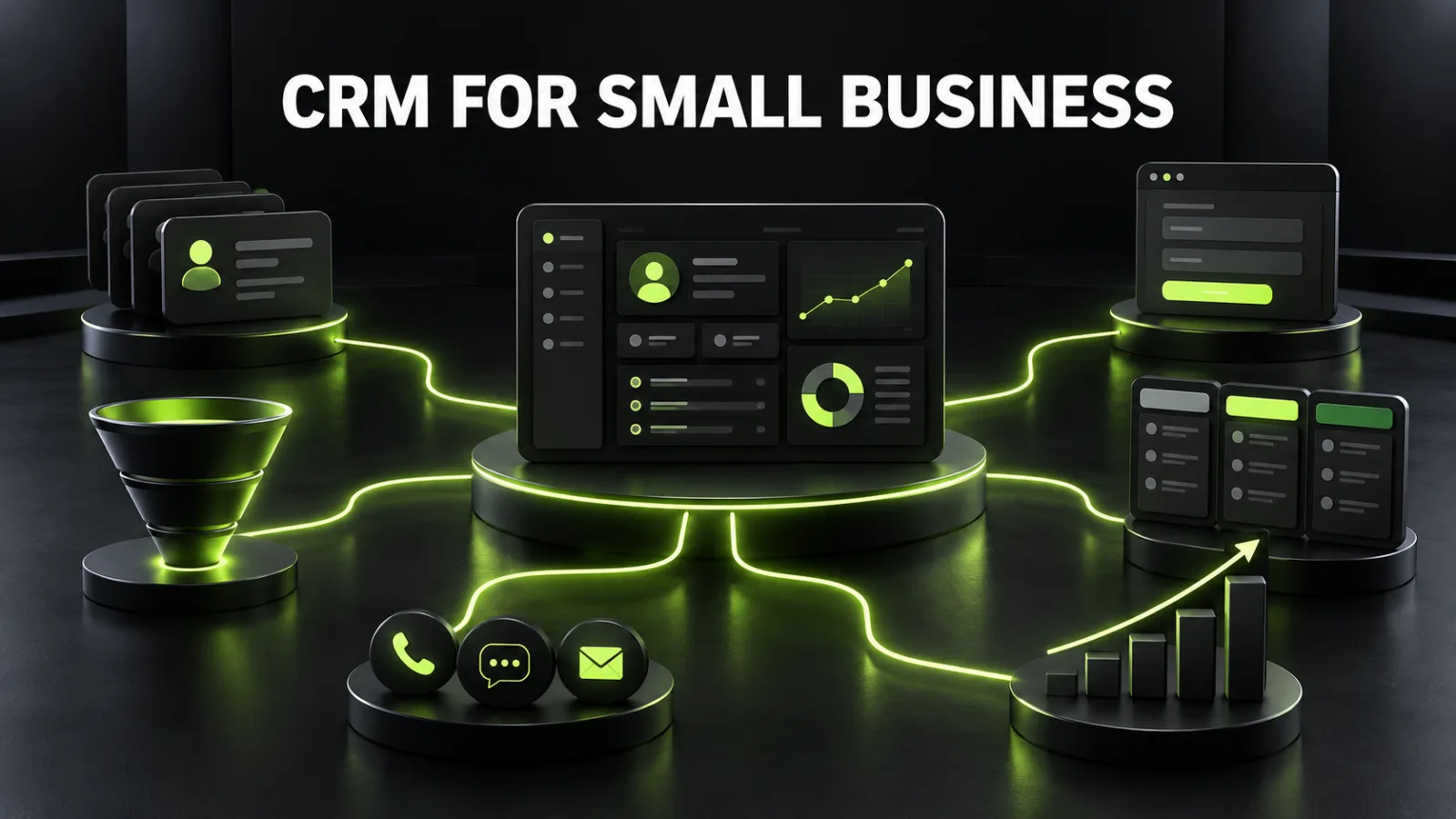
Acquisition does not end with the first payment. Collect feedback, offer the next relevant service, schedule reminders and analyze why customers leave. CRM should reveal the original source, purchase history, current stage, next contact and total customer value.
| Business type | First channels to test | Required assets |
| Local services | Maps, search ads, referrals | Complete profile, reviews, service page, booking |
| B2B | SEO, partnerships, outreach, events | Cases, industry pages, quote request |
| Ecommerce | Shopping/search, paid social, marketplaces, email | Product feed, product pages, checkout, purchase tracking |
| Expert services | Content, SEO, webinars, referrals | Expert articles, cases, consultation flow |
| New product | Paid social, partnerships, landing page | Clear hypothesis, concise offer, demand capture |
Do not launch every channel. Combine one existing-demand channel, one trust-building channel and one retention mechanism.
Set a measurable objective. Define the required number of qualified leads or customers and what qualifies a lead.
Calculate the economics. Record average order value, gross margin, lead-to-sale conversion, repeat purchase rate and allowable CAC.
Choose one segment. Start with customers who share a problem, buying trigger and decision journey.
Write the offer. Explain the outcome, scope, proof, conditions and next step.
Create a landing page. Match its headline, evidence, pricing logic, FAQ and call to action to the campaign.
Set up measurement. Store source, campaign, key action, lead quality and final sale. GA4 separates first-user acquisition from session-level traffic acquisition; CRM data completes the commercial picture.
Launch two or three channels. Keep the test focused enough to learn from the result.
Review the whole funnel. Analyze impressions, visits, leads, qualified leads, sales and repeat sales.
Scale proven combinations. Increase spend only after a repeatable combination of audience, message and page has emerged.
Track cost per click, cost per lead, lead-to-sale conversion, CAC, customer lifetime value, marketing return and response time. A channel with expensive leads may outperform a cheap one when its customers buy more often or remain longer.
Google Analytics offers acquisition reports that show where new users and sessions come from. These reports are useful, but business decisions also require CRM statuses and actual revenue. A lead is not automatically a sale.
advertising an unclear offer;
sending every campaign to the homepage;
testing too many channels at once;
treating engagement metrics as business results;
losing source data after the form submission;
responding slowly to warm enquiries;
changing campaigns before enough data exists;
ignoring existing customers;
copying competitors without understanding the audience;
promising more than operations can deliver.
Small businesses do not need to be present everywhere. They need a specific segment, a compelling offer, a small set of suitable channels and a clear conversion path.
Start with one channel that captures existing demand, add one that builds trust and create a way to retain customers. Connect advertising, the website, analytics and CRM to understand the real cost and value of every customer.
BB STUDIO can design the landing page, corporate website, catalogue or CRM-connected lead flow required to support that system and make every acquisition channel measurable.
 CRM and Business Automation
 Hosting & tech
 Cybersecurity for Businesses
 CRM and Business Automation
 Let’s create something amazing together
