We create digital solutions that work for businesses
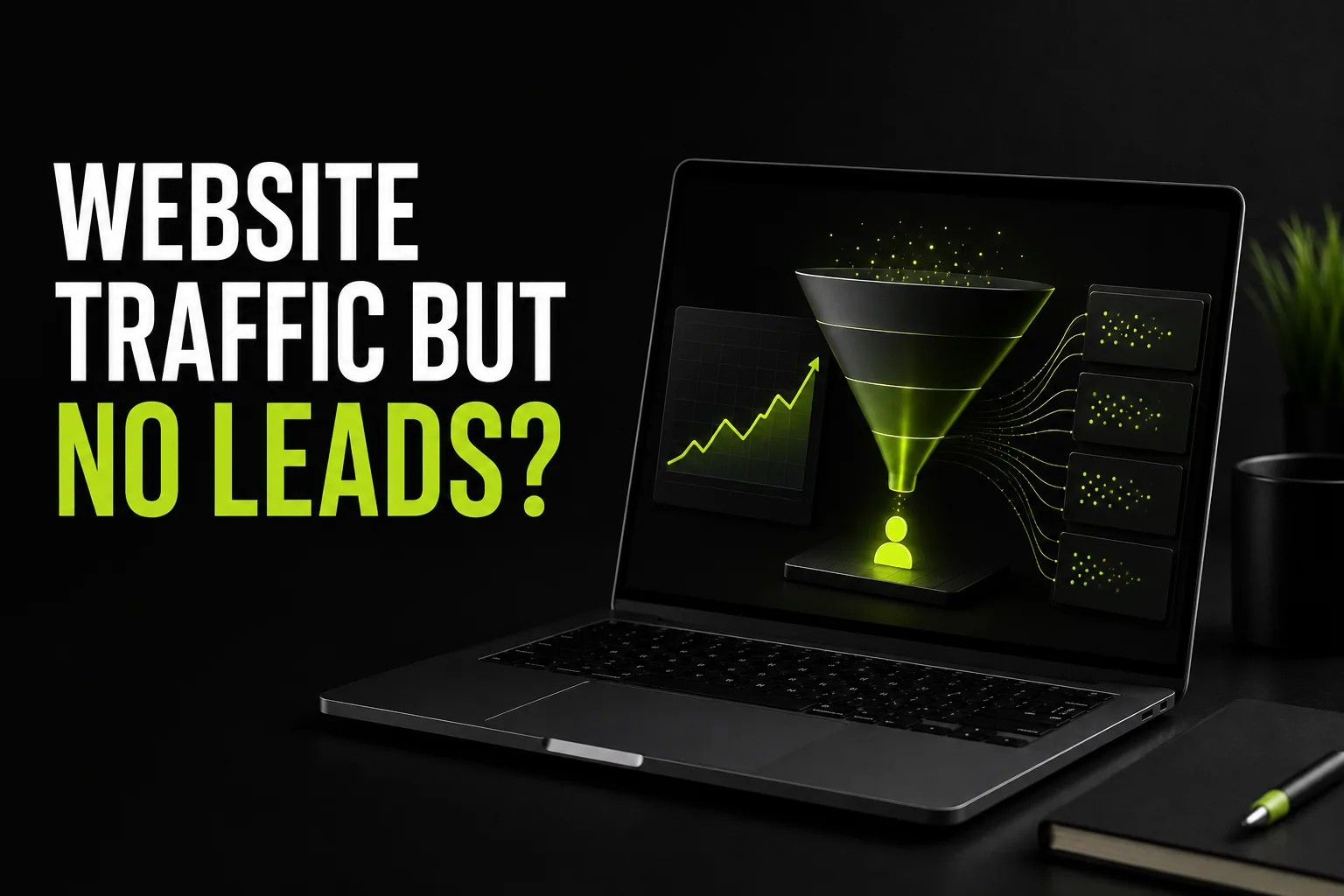
A website can attract hundreds or thousands of visits and still generate very few enquiries. That does not automatically mean the business needs more advertising. The problem often appears between the click and the final action: visitors may not understand the offer, trust the company, find essential information, or complete a broken form.
The solution is to identify the exact stage where the greatest number of potential customers leave instead of guessing which element should be changed.
A conversion happens when a visitor completes an action that matters to the business: submitting a form, calling, placing an order, opening a conversation, or booking a consultation.
Conversion rate = conversions ÷ visits × 100%
If a website records 1,000 sessions and 20 enquiries, its conversion rate is 2%. However, the percentage alone is incomplete. Twenty qualified enquiries may be more valuable than one hundred irrelevant submissions. Measure lead volume together with lead quality, source, and the share that becomes revenue.
High traffic does not guarantee business value. An informational article may attract readers with no purchase intent, while a broadly targeted campaign can bring users from the wrong region or market.
Compare conversion by organic search, paid campaigns, social media, referrals, and direct traffic. If one channel produces many visits but few qualified enquiries, review acquisition before rebuilding the website. For organic traffic, match each page to the correct search intent through SEO optimization.
A person clicks an advert for an online store with payment and delivery integrations but lands on a generic company page. The visitor must search for the relevant service and may leave immediately.
The headline, first screen, and primary action should continue the promise made before the click. Separate offers may perform better with dedicated landing pages.
Phrases such as “innovative solutions for your success” do not explain the product. Within a few seconds, visitors should understand what you offer, who it is for, which problem it solves, why they should trust you, and what they should do next.
A strong first screen combines a specific headline, a concise benefit, relevant evidence, and one clear action.
Good copy cannot compensate for crowded buttons, broken forms, or important information hidden in long sections. Test the mobile version on real devices and compare desktop and mobile conversion rates. A large performance gap often reveals a specific UX or technical issue.
Visitors may leave before the offer or form appears. Core Web Vitals evaluate loading performance, interaction responsiveness, and visual stability. Test primary landing pages, not only the homepage.
BB STUDIO Tools can help inspect TTFB, SSL, HTTP headers, redirects, and other technical parameters that may affect the experience.
When services, news, benefits, and forms all have the same visual priority, users do not know where to go. A commercial page should lead from the problem and solution to evidence, terms, and action.
Begin with a UX audit before investing in an unfocused visual redesign. Professional website design should follow a clear information architecture.
“Learn more” does not always explain what happens next. “Buy now” may be premature for a complex B2B service. Five actions on the same screen divide attention.
Choose one primary and one secondary action—for example, “Get an estimate” and “View portfolio.” Button wording should accurately describe the next step.
For an initial enquiry, a name, phone or email, and short message may be enough. Extra qualification fields help the sales team but can reduce completion.
Verify mobile behavior, understandable error messages, delivery to email or CRM, confirmation after submission, and analytics tracking. Record both form starts and successful submissions to locate friction.
Prospective customers assess risk before contacting a business. Relevant case studies, reviews, work samples, a clear process, company information, and guarantees reduce uncertainty. General claims without evidence are less persuasive.
Place relevant examples close to the offer and direct visitors to the BB STUDIO portfolio.
Not every project can be quoted without a brief, but complete uncertainty discourages enquiries. A range, starting price, or example package helps customers decide whether the service is suitable.
Explain what happens after submission, how soon the team responds, and which information is required. Current service estimates are available on the Prices page.
The website may generate enquiries while reports show zero. Common causes include missing events, duplicate tags, and no tracking for calls or messaging links. In GA4, events that are important to the business can be marked as key events and evaluated by acquisition source.
Track form starts and submissions, phone clicks, email clicks, and messaging actions. A click is not automatically a qualified enquiry, so analytics data should be connected with CRM outcomes.
Every page contains hypotheses. Without regular analysis, a business may lose leads for months because of one confusing headline, form, or mobile interaction.
After collecting enough data, test one meaningful change at a time: the offer, first screen, CTA, form, or trust section. Changing everything simultaneously makes the result impossible to interpret.
Do not focus only on total traffic. Review:
enquiry conversion rate by channel;
conversion by landing page;
mobile and desktop performance;
form starts and successful submissions;
phone, email, and messaging clicks;
cost per enquiry for paid campaigns;
share of qualified leads;
lead-to-sale rate;
revenue or margin by acquisition source.
The sequence channel → landing page → action → lead quality → sale reveals where the business is actually losing value.
Validate measurement: confirm that forms, calls, and key buttons are tracked correctly.
Segment traffic: compare channels, campaigns, devices, and landing pages.
Build the funnel: page view → interaction → form start → submission → qualified lead → sale.
Locate the largest drop: prioritize the stage with the greatest loss.
Test the journey manually: use a phone, a slower connection, and the perspective of a first-time visitor.
Prioritize fixes: repair errors first, remove barriers second, and test new hypotheses third.
Measure business results: evaluate lead quality and sales, not only submission volume.
Focused optimization is sufficient when the technical foundation is stable and the problem is limited to one section, form, or mobile interaction.
A redesign is appropriate when problems affect most pages, the mobile interface is outdated, the structure no longer matches the business, or the platform restricts analytics and integrations. If the project must effectively be rebuilt, consider complete website development.
When a website gets traffic but no leads, buying more visits may simply scale the loss. Validate analytics first, then examine audience quality, message match, mobile usability, speed, forms, and trust. Fix the largest funnel gap and measure its effect on qualified enquiries and sales.
BB STUDIO can audit analytics and user journeys, identify conversion barriers, and implement prioritized improvements. Send the current website through the contact page for an initial assessment.
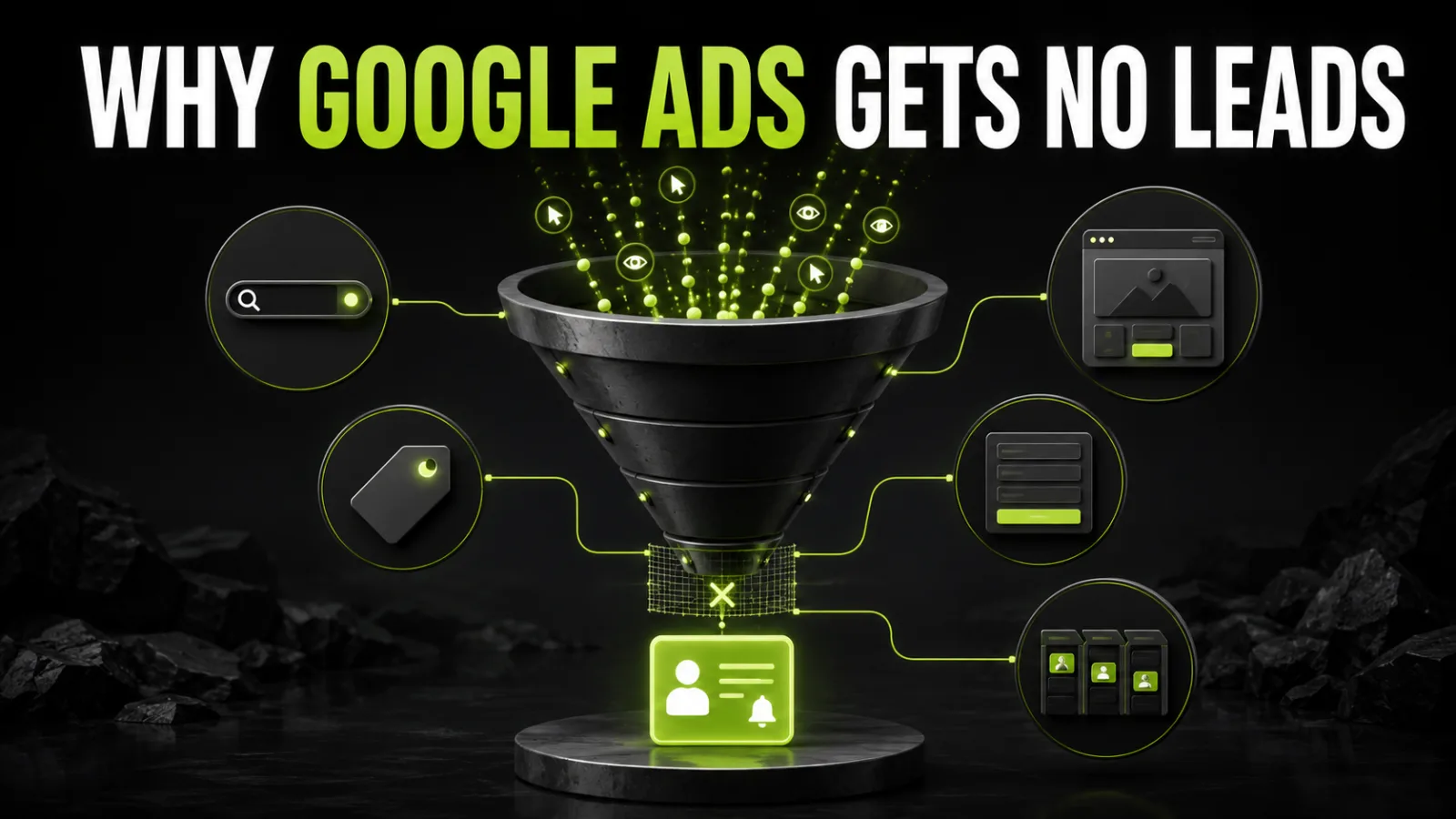 Analytics and Conversion
 Analytics and Conversion
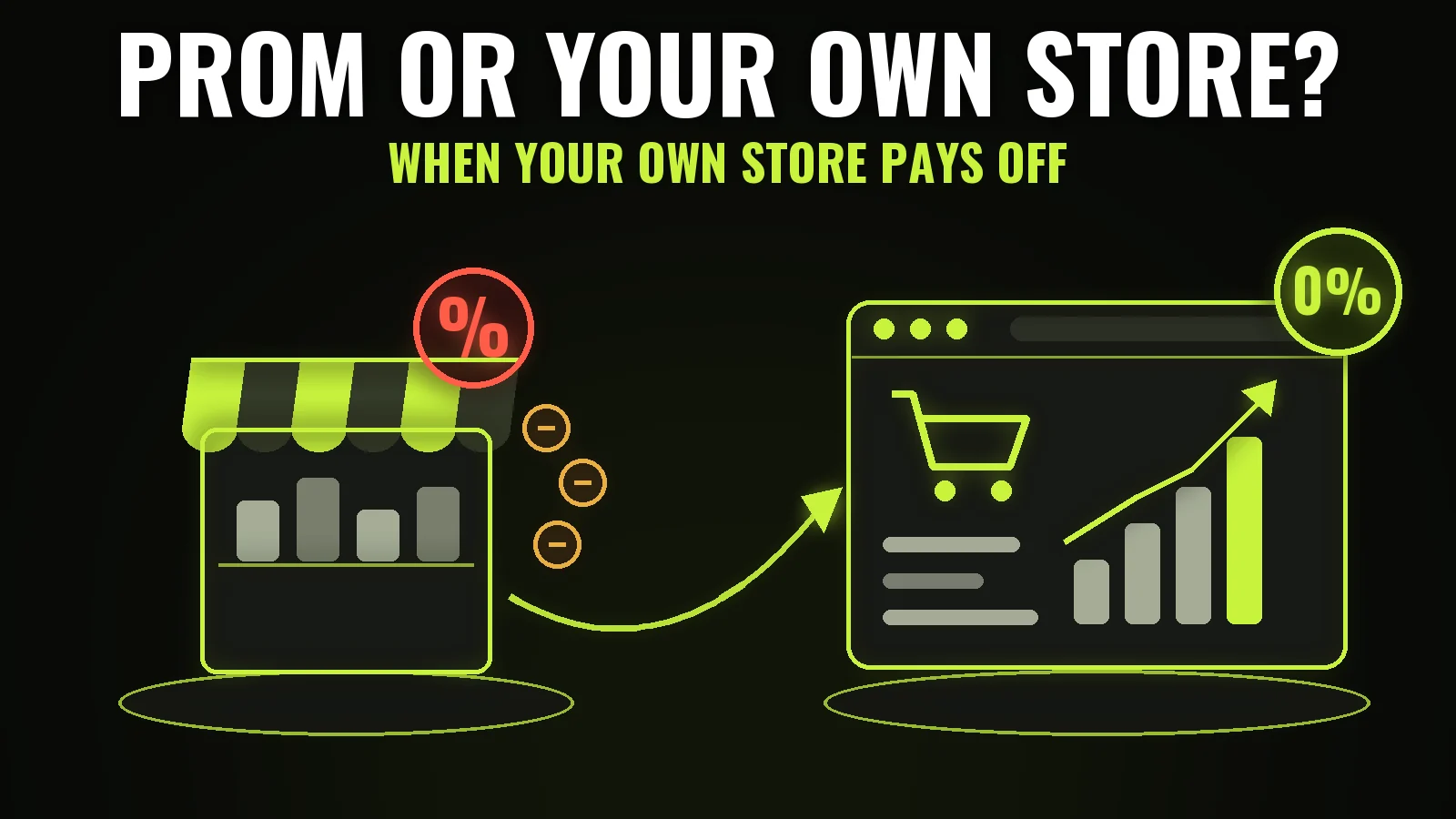 E-commerce
 CRM and Business Automation
 Let’s create something amazing together
