We create digital solutions that work for businesses
Custom development
 and web app development
Custom website and web app development built around your processes: online booking, client accounts, price calculators, data exchange with 1C and CRM. Price from ₴59,900, first working version from 4 weeks.
Analysis and the technical specification take 3–5 days and are already included in the cost, and the price of each stage is fixed in the contract before work starts. We show you a working version every week, so you see progress instead of waiting for the finish. We hand over the code, repository and access credentials to you, and one team handles analysis, design, development and support.
Three formats: a first version of the service, a product with user accounts and integrations, and monthly development after launch.
Packages are formats, not a fixed scope: we set the exact price of each stage after analysis and the technical specification and fix it in the contract. The domain and hosting or server are paid separately, while connecting them is included in the price.
Custom code makes sense when your process doesn’t fit a template: several roles, calculations, payments or data exchange with an accounting system. If you recognize your situation below, we’ll start with analysis — it will show which format you need.
An idea is worth testing on real users before you invest your budget in building the full version. We’ll start with an MVP: the key scenario, an admin panel and one or two integrations, and we’ll add further features based on feedback from your first customers and analytics data.
A client account instead of back-and-forth messages, request tracking instead of spreadsheets, a price calculator instead of manual calculations. The service takes over the routine and passes data to your CRM or 1C, so managers work with clients instead of copying data.
Booking with schedules and prepayment, a marketplace with sellers and buyers, a portal with different access rights. When your business rules are your advantage, we build them into the code instead of bending them to fit plugin capabilities.
The template or website builder no longer offers enough: new features have to be pieced together from plugins and workarounds. This calls for complex website development with your own logic that can evolve without platform limitations.
Honest advice
These are typical tasks in custom website development. We build each one around your rules — roles, statuses, calculations, notifications — and combine several in one service if needed.
The client sees available slots, chooses a service and a specialist, makes a prepayment and gets a reminder. Bookings on the site sync with Google Calendar, and you change schedules, breaks and days off in the admin panel.
Building a personal account starts with roles: a client sees their orders, statuses, payments and documents, while a partner sees personal prices and stock levels. Fewer calls and repetitive questions to managers.
Developing a web portal or marketplace means several roles with different rights: sellers, buyers, moderators. We build in registration, listings or products, search with filters, messaging and the platform commission.
The client selects options and sees the price instantly, and the request with the calculation goes to your CRM or Telegram. You change formulas, coefficients and prices in the admin panel without a developer, and the new terms apply as soon as you save them.
Sometimes the site already exists but lacks a link to accounting, CRM or payments. We develop the integration as a separate project: data flows between systems automatically, and managers don’t have to transfer orders and stock levels by hand.
Request tracking, task distribution among managers, reports with the metrics you need. Instead of spreadsheets and chats — one service with roles, change history and smartphone access, and leadership sees where things stand without manual summaries.
Invoices, acceptance certificates and contracts are generated from order data using your templates, with an NBU payment QR code if needed. The document can be downloaded from the user account or received by email right after the order is placed.
We work on a turnkey basis in short stages: after each one, you see the result and approve the next step. The timeline for each stage is visible in the technical specification before the contract is signed.
We go through goals, roles, scenarios and integrations, and assess the scope and risks. We agree on what goes into the first version and what goes into later ones, and record this in the contract.
We build a clickable prototype of the main screens so you can check the logic before design and show the prototype to colleagues or first customers. Changing a scenario is easiest and cheapest at this stage.
We design the interface for desktop and smartphone: forms, tables, statuses, error messages and empty states. We agree on the mockups with you before development starts, so developers work from a signed-off design.
We write code in iterations and deploy a working version to a test server every week. You check the finished features and can change priorities before the next iteration.
We test each role’s scenarios, payments, integrations and performance on different devices and browsers. For the “Product” format, we add load testing so the service can withstand peak loads.
We move the service to the production server, connect the domain and set up GA4 and backups. We train your team to use the admin panel, and the 3-month warranty starts on launch day.
We monitor the service, update it and add features based on an agreed estimate. New ideas are planned using analytics data and user feedback, not guesswork.
An honest comparison: at the start, a ready-made service is faster and cheaper. The difference shows up later — in flexibility, integrations and code ownership.
| Ready-made SaaS | Template + plugins | Custom development | |
|---|---|---|---|
| Getting started | Fastest and cheapest: sign-up and setup without development | Fast if the features you need already exist in the template and plugins | MVP from 4 weeks and from ₴59,900, after analysis and the technical specification |
| Monthly payments | Subscription; the price often depends on the plan and number of users | Hosting, plus licenses for paid plugins | Hosting or server; support from ₴2,900/mo — optional |
| Flexibility of logic | Within the features and settings the service provides | Within the template and plugin capabilities | Any logic described in the technical specification: roles, statuses, calculations |
| Integrations | Those the service supports | Via ready-made modules, if they exist for the system you need | 1C/BAS, CRM, payments, partner APIs — tailored to your process |
| Performance under load | Provided by the service, limits set by the plan | Depends on the plugin set and hosting | Architecture and server sized for your volumes, load testing |
| Code ownership | The service owns it: you rent access and can’t move the solution to your own hosting | Your site, but part of the code is third-party plugins with their own updates | Yours: we hand over the code, repository and access |
| When to choose | The task is typical and you need to start right now | A standard site without special logic | The logic is non-standard and the service is part of your business |
We choose the stack for the task and include the required integrations in the technical specification so the architecture accounts for them from the start. If the system you need isn’t on the list, we’ll check its API at the analysis stage.
We develop with PHP/Laravel and modern JavaScript — a widespread stack for which specialists are easy to find. We write code to framework standards so another developer can understand it.
Card payments via LiqPay, monobank or WayForPay, with the payment status updated instantly in the user account and admin panel. If needed, we connect Checkbox (software cash register) for fiscal receipts.
Exchange of products, prices, stock, orders and counterparties on a schedule or right after changes. The accounting system remains the main data source, and the site shows current prices and availability.
Requests, payments and status changes go to KeyCRM, Bitrix24, HubSpot or SalesDrive. A Telegram bot notifies your team about new orders or takes bookings from clients.
Delivery cost calculation and Nova Poshta or Ukrposhta waybills, maps with pickup points, bookings in Google Calendar, report exports to Google Sheets. We check every integration on test data before launch.
We design an API through which a mobile app, partners or your other systems work with the service. Access is key-based, and we document the methods so connecting doesn’t require extra questions.
The tax calculator for sole proprietors (FOP), the invoice and acceptance certificate generator with an NBU QR code, and the FOP tax calendar are our own services, built from scratch. Anyone can open them on bbstudio.site and try them for free, along with more than 50 online tools for webmasters. The studio has completed more than 100 projects in different niches — see examples in the studio portfolio.
We name the recurring costs at the technical specification stage so the service budget holds no surprises after launch. A small service can be hosted on our hosting with daily backups.
We put the terms of cooperation in the contract before the first payment — so both sides know the price, timeline and rights to the result. We work remotely with clients across Ukraine, so we agree on everything in writing and in online meetings.
You can order the technical specification separately, from ₴4,900. The document becomes yours, even if you continue with another team. If we do the development, this amount is credited toward the project cost.
The price and timeline of each stage are written into the contract before work starts. Large projects are paid in stages — design, development, launch — so you pay for visible results rather than the full amount upfront.
Once a week, you see what already works and give feedback. We make revisions at each stage within the agreed structure, so discrepancies surface early, not on delivery day.
The code is stored in your repository, and we hand over access to the admin panel, hosting and server — just like the domain, which we register in your name. You pay for development once, with no license fees for the code.
For 3 months after launch, we fix errors caused on our side free of charge. New features are not covered by the warranty — we assess them separately and agree on a cost estimate.
If your idea, data or processes are confidential, we sign a non-disclosure agreement. For startups and internal company services, this is standard practice that doesn’t complicate the work.
Six situations that make a custom project cost more or take longer. They are easier to avoid at the start than to fix later.
You don’t need to have everything ready to order custom development: we’ll work out the rest together at the analysis stage. Send what you have via the contact form, and we’ll suggest a format and scope for the first version.
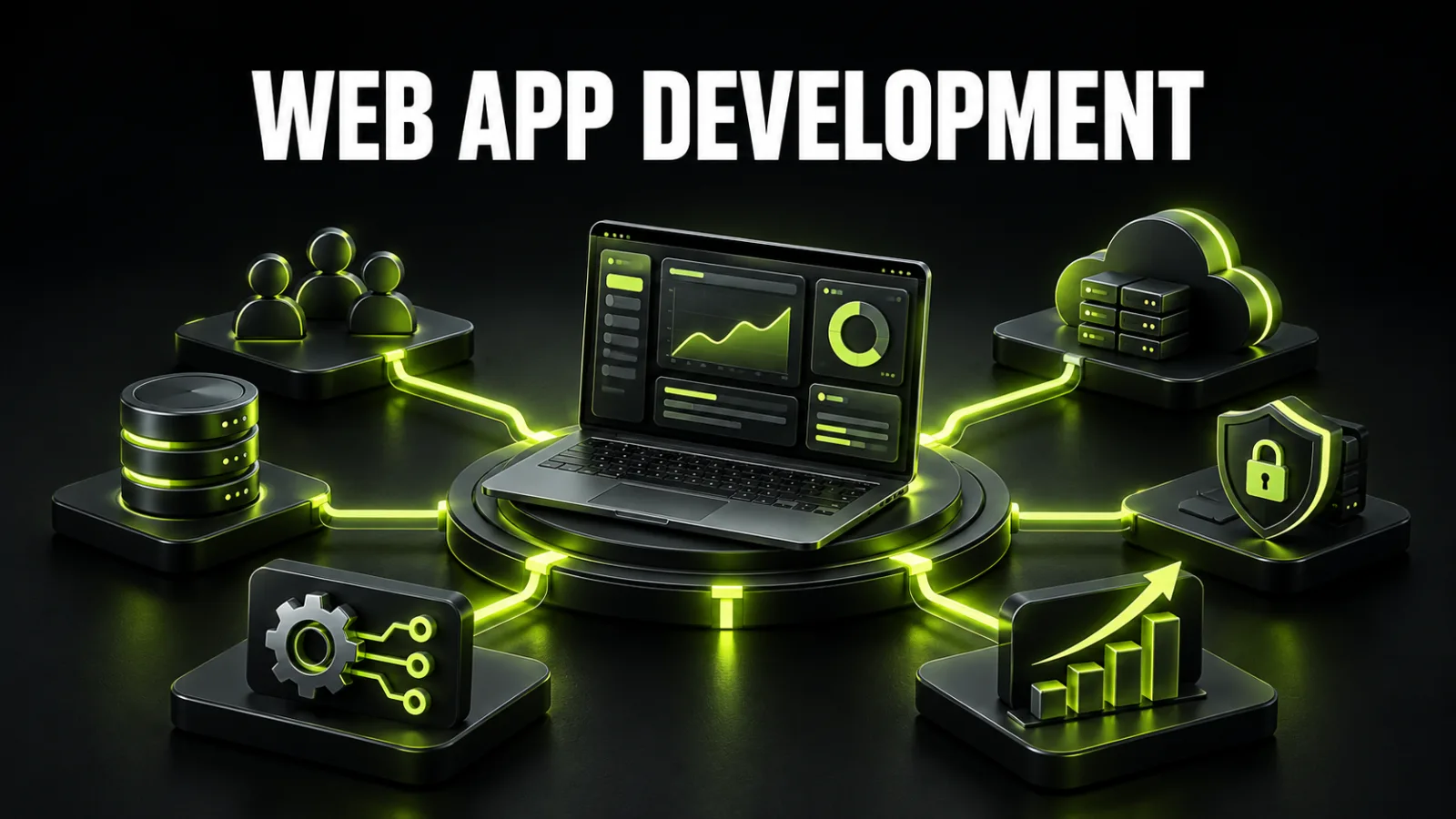
Learn when a business needs a web application, which modules belong in the product, how development works and what determines its…
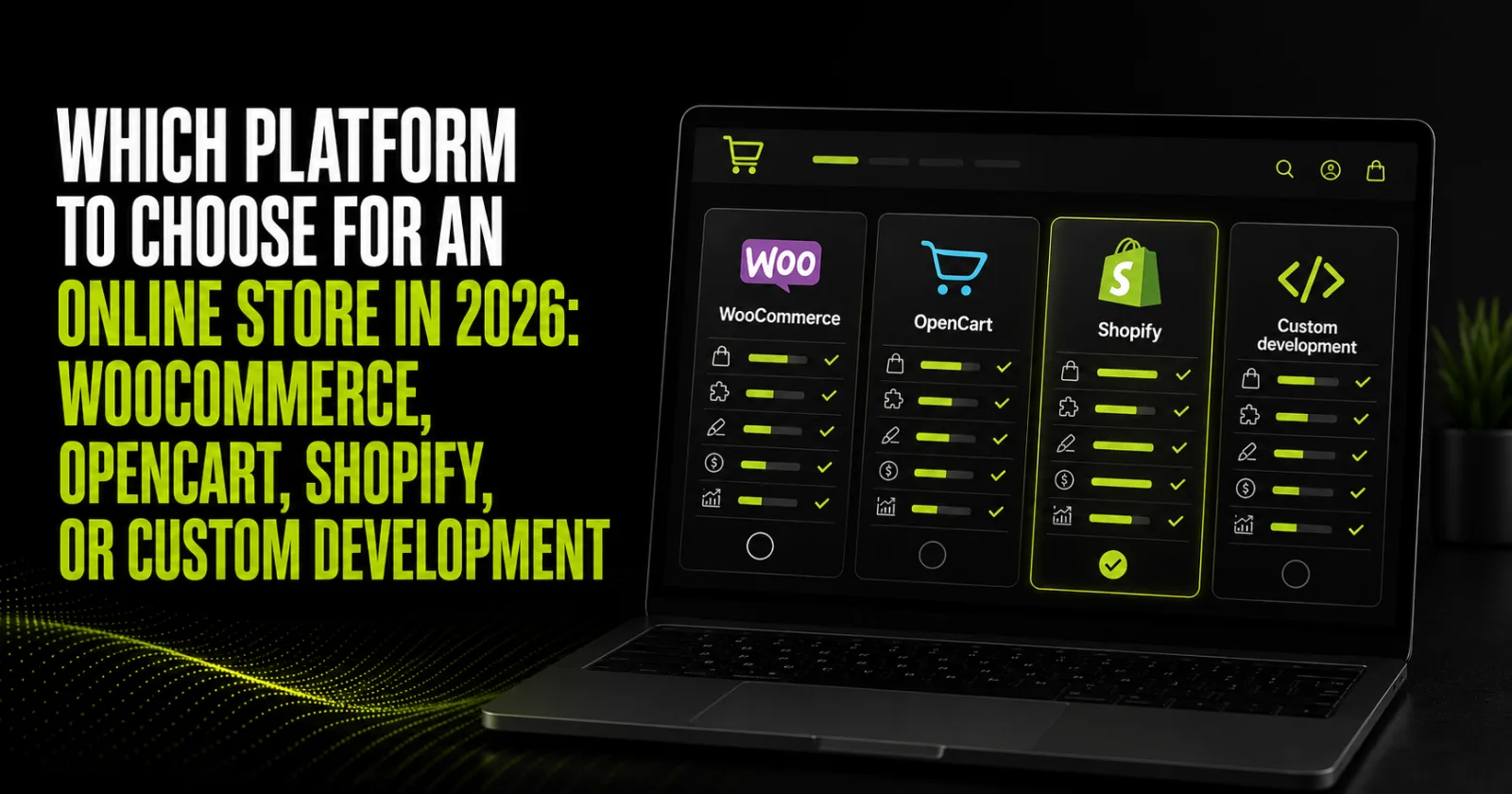
Compare WooCommerce, OpenCart, Shopify, and custom development. Discover which platform best fits your online store’s budget, sca…
Real 2026 website prices: landing from ₴9,900, corporate site from ₴19,900, online store from ₴29,900. What makes up the cost and…
A bit about us
BB STUDIO is a team that goes beyond the standard approach to web development. We build modern turnkey websites focused on concrete business results: attracting new clients, increasing sales and keeping the project stable after launch.
We deliver the full cycle of building web products — from analytics, strategy and design to launch, technical support and further development. We start every project with a detailed study of the business, company goals, audience needs and market specifics.
We work transparently and consistently, so you can see the progress of the project at every stage.
Discuss a projectDiscuss a projectWe dive into the specifics of your business, research the market and competitors and form a clear technical brief for the future project.
We plan the site architecture, build convenient interaction scenarios and create prototypes of key pages.

We create a modern and recognizable design in your brand style, adapted to all devices and user needs.
We turn the design into a fast, stable and functional website using WordPress, Laravel or other technologies according to the project’s tasks.

We fill the site with content, perform basic SEO optimization and connect CRM, analytics and the necessary services.
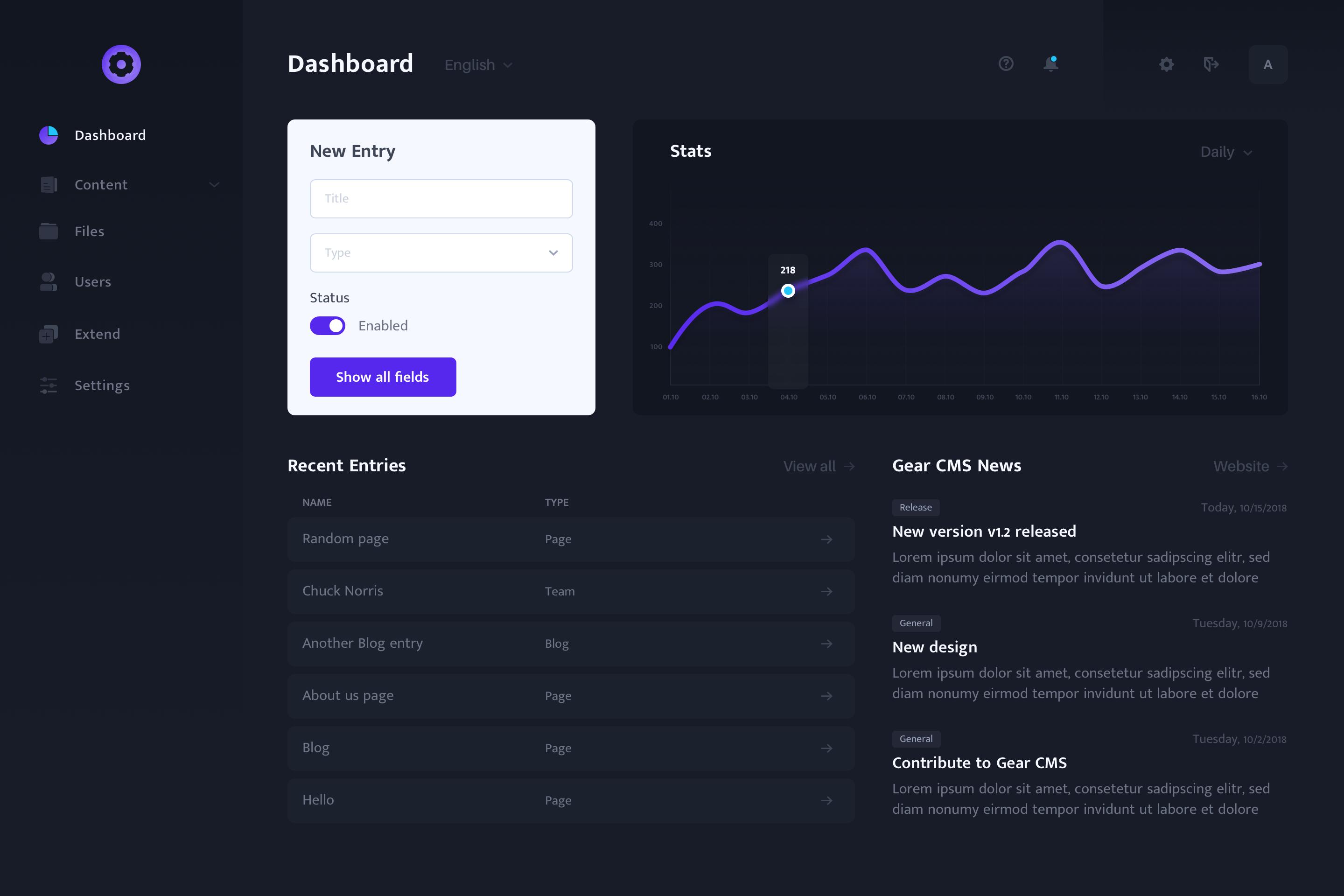
We thoroughly check the speed, responsiveness, functionality and correctness of the site before publishing it.
We stay by your side after launch: we provide technical support, updates, improvements and further development of the project.
We know how a dental clinic website differs from a furniture maker's. Pick your field — you'll find the structure, integrations and pricing built for it:
We build modern websites that combine thoughtful design, high speed and convenient functionality. From corporate sites to complex web projects — solutions that work for your business growth.
We design online stores with a well-thought-out structure, fast performance and convenient checkout. We integrate payment, delivery and everything needed for effective online sales.
We create landing pages that grab attention and motivate action. A thoughtful structure, strong design and conversion focus help you get more leads.
We develop brand identity, logos and design that build brand recognition and help you stand out from competitors. We create visual identity that inspires trust.
We optimize the site for search engines, improve its visibility in Google and attract the target audience. We work on technical optimization, content and organic traffic growth.
We set up and run Google advertising that brings customers from the first week. A transparent budget, clear reports and prices several times below the market.
We ensure the stable operation of the site: updates, backups, bug fixes, security control and technical support. You grow your business — we take care of the site.
We host websites on fast SSD hosting with SSL, daily backups and 24/7 monitoring. Moving from another host? The migration is free — and you get 2 weeks of hosting as a gift.
 Let’s create something amazing together
