We create digital solutions that work for businesses
Web development · Clothing store
 built from scratch
A clothing store is not a catalogue with a cart. It is a system where size, colour, stock and returns matter more than a pretty homepage. We built Antana and Bivaji and we know exactly where clothing stores lose money: product pages without per-size stock, filters that reset, carts that vanish on mobile.
We build stores from scratch in PHP — our own MVC architecture on MySQL, no heavy CMS, no paid plugins. Catalogue, product page, cart and admin panel are designed around your assortment and your workflow, not the other way round.
Instagram sells while you answer DMs. Your own store sells while you sleep. We build stores for four types of business — and each one needs something different.
Orders no longer fit in DMs, the manager mixes up sizes, and there is nowhere to send new customers except the profile. You need a store that takes orders on its own and can be the destination for ads.
You sell several brands, each with its own size chart and its own supplier. You need brand filters, separate size tables and stock that updates automatically from every supplier.
The buyer is a mum with a phone and forty seconds of attention. The product page must answer "which size for a 3-year-old" instantly, and checkout must take two steps. That is exactly how we built Bivaji.
The same products, but different prices, minimum quantities and delivery terms. You need one catalogue with two modes and a wholesale account with personal pricing — not two separate websites.
Industry specifics
This is not a list of "what the platform can do", but what we build into every clothing store by default — because without it, the store does not sell.
Categories by type and gender; filters by size, colour, fabric, brand and price. Filters persist across pages, and the selected ones show as tags above the product grid.
Several photos per colour, zoom, video where needed. A size chart in centimetres right next to the size selector, stock levels, fabric composition and care, a "wear it with" block.
Phone, name, post office — and the order is placed. The cart is kept across sessions and devices; a promo code applies instantly with the total recalculated.
Order history, one-click reorder, saved sizes and addresses, delivery status, loyalty points. The account is what turns a buyer into a repeat customer.
Terms per carrier, timing, cost and the free-shipping threshold. A dedicated returns page with a form: the customer creates the request, you see it in the admin panel.
A product with colour × size variants on one screen, bulk price and stock updates, Excel import, orders with statuses, discounts and promotions with start and end dates.
"How to wear it" pages, seasonal guides, sizing advice. That is search traffic, internal links to products, and a reason to come back to the site beyond a purchase.
A store that lives apart from shipping, payments and marketplaces means manual work every day. We stitch it together with the tools you already use.
Branch or parcel-locker selection on a map right in the cart, automatic waybill creation, tracking status for the customer in their account and messenger.
LiqPay, Monobank, Fondy or WayForPay — full payment, partial prepayment, bank instalments. Cash on delivery stays as an option if you want it.
Automatic export of products with prices and stock. The store becomes the single source of truth, and marketplaces become extra shop windows you never update by hand.
A feed for Facebook Shop and Instagram Shopping: tagged products in posts lead to your store, and retargeting shows the exact item the person was looking at.
With 1C, BAS, a Google Sheet or your warehouse software — stock updates automatically, so the site never shows a size that is already sold out.
The customer gets order status and tracking number; the manager gets new orders and abandoned carts. No more "where is my order" calls.
Three paths, three budgets and three different ceilings. We show frankly where a site builder wins — and where it becomes a problem six months in.
| Site builder (Horoshop, Shopify) | Ready-made theme (WordPress / OpenCart) | Custom build (BB STUDIO) | |
|---|---|---|---|
| Colour × size variants with stock | Basic, with a cap on the number of variants | Via plugins that often conflict | Designed around your assortment, no limits |
| Size charts | One per store or per category | A plugin or hand-written HTML on every page | Own chart per brand, category or product |
| Speed on mobile | Average, depends on the plan | Drops with every added plugin | Lean code, PageSpeed 90+ |
| Integrations: shipping, payments, marketplaces, 1C | Ready-made, but only from the builder's list | Plugins exist, paid and not always compatible | Any — via your API or exchange file |
| Cost after 3 years | Monthly rent + sales commission | Plugin licences, updates, patching | One-off build + hosting from ₴150/month |
| Best for | Testing an idea in a week | A small catalogue with no integrations | A store that plans to grow |
Marketing
A store with no traffic is a warehouse with nice photos. We design the structure for the channels people actually buy clothes from — at the prototype stage.
"Women's dresses", "kids' overalls", "men's hoodies" — category pages with unique copy, clean URLs and filters that do not spawn duplicates.
Product ads with photo and price right in the search results. They need a valid Merchant Center feed — the store generates it automatically.
A Facebook catalogue, product tags in posts and stories, retargeting on viewed items and abandoned carts. This is where clothing sells best.
Segments by size and category, cart reminders, "back in stock", seasonal mailings. The cheapest channel once you have a customer base.
The price depends on the number of products and variants, the set of integrations, and whether you need custom design and content entry. Three typical configurations:
A catalogue with filters and size-aware product pages, but no cart or online payments: orders via a form or messenger. For a start with up to 100 items and sales handled by a manager.
Get a quoteGet a quoteA full store: colour × size variants with stock, cart, online payments, Nova Poshta, customer account, admin panel, basic SEO and analytics. The most common choice for brands and multi-brand stores.
Get a quoteGet a quoteCustom design, sync with 1C or your warehouse, marketplace exports, a wholesale account with personal pricing, multiple languages. For catalogues of 500+ items and your own workflows.
Get a quoteGet a quoteThe price includes design, development, responsive layout, entry of the agreed content, basic SEO and admin training. Domain and hosting from ₴150/month are separate, as is optional administration from ₴1,900/month. We prepare an exact quote free of charge within 15 minutes of your request.
Base packages and prices for this type of website: Online store →
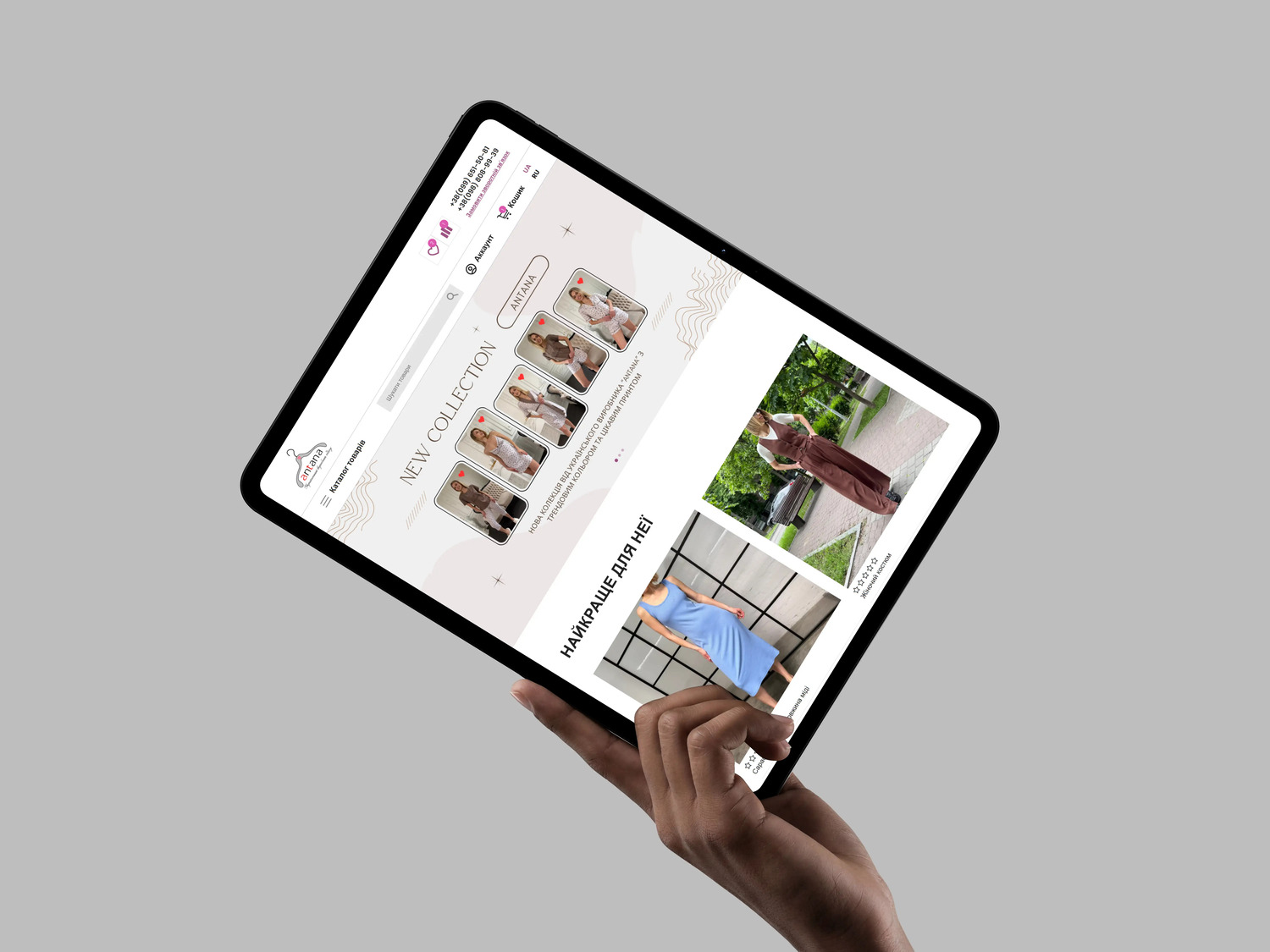
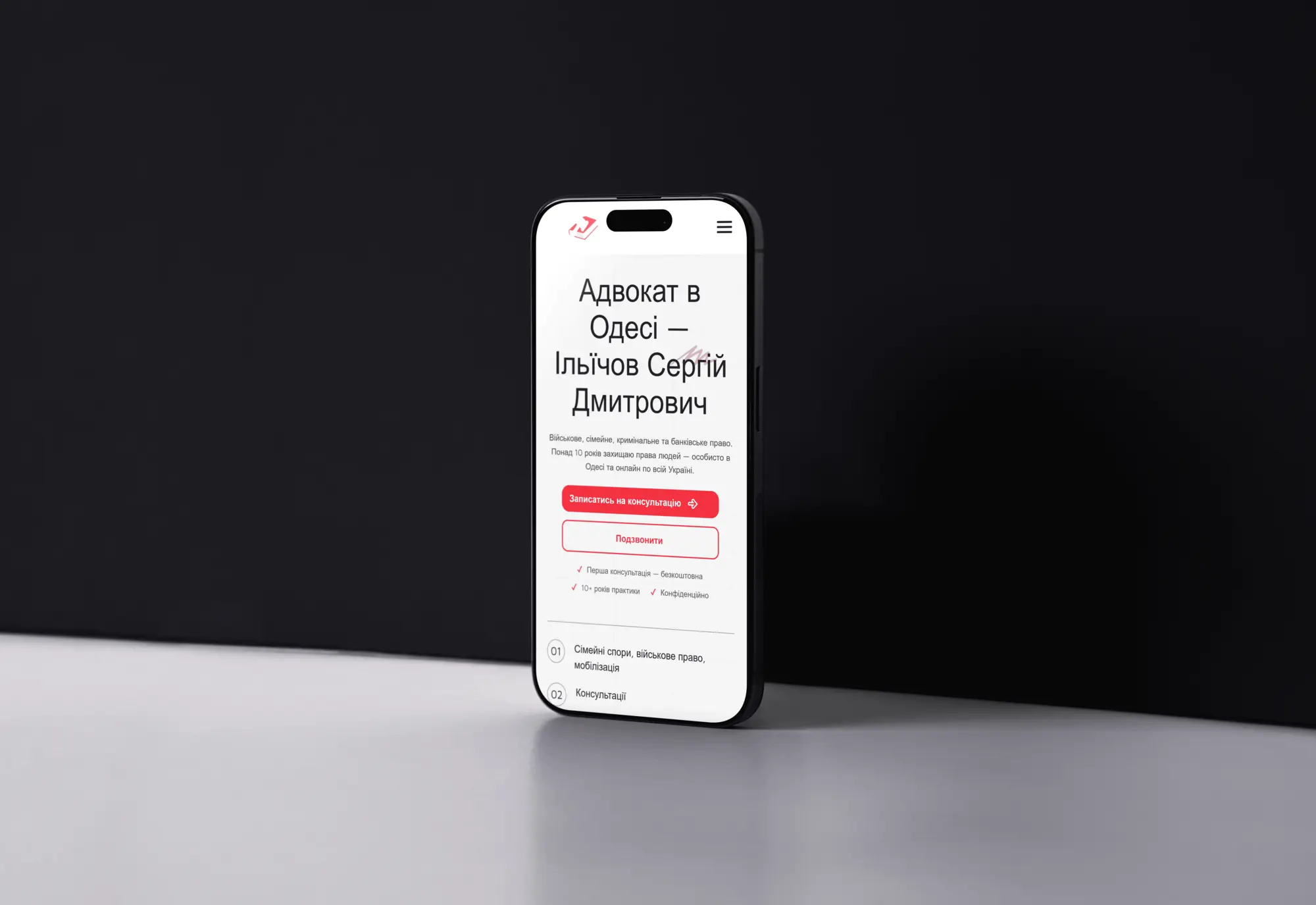
Antana is a clothing store with a category catalogue, filters, size-aware product pages and fast checkout. Bivaji is children's clothing, where the main task was to make choosing a size by age obvious and mobile checkout two steps long. Both projects are live: see how it looks in real stores.
We regularly audit stores before a redesign. Here is what comes up most often — and what costs sales every single day.
Development goes faster when the materials are ready. Here is what we will ask for on the first call — you can start collecting it now.
When your own store beats a marketplace, what exactly to migrate from Prom and Rozetka, and how to move without losing search ran…
Two things decide a fashion store profit: an accurate size chart and transparent returns. How to set both up and cut return shipp…
Customers view your products but rarely add them to the cart? Explore 12 elements of an effective product page, including images,…
A bit about us
BB STUDIO is a team that goes beyond the standard approach to web development. We build modern turnkey websites focused on concrete business results: attracting new clients, increasing sales and keeping the project stable after launch.
We deliver the full cycle of building web products — from analytics, strategy and design to launch, technical support and further development. We start every project with a detailed study of the business, company goals, audience needs and market specifics.
We work transparently and consistently, so you can see the progress of the project at every stage.
Discuss a projectDiscuss a projectWe dive into the specifics of your business, research the market and competitors and form a clear technical brief for the future project.
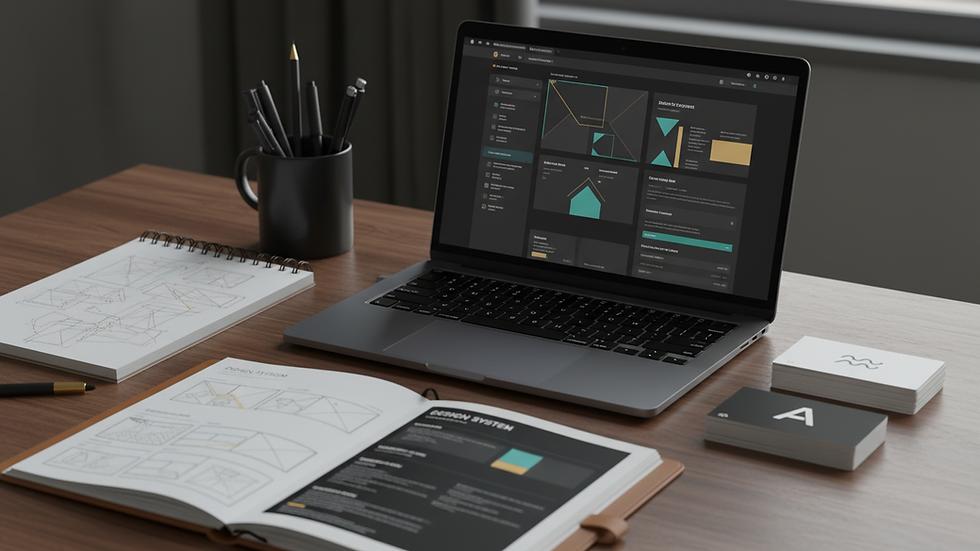
We plan the site architecture, build convenient interaction scenarios and create prototypes of key pages.
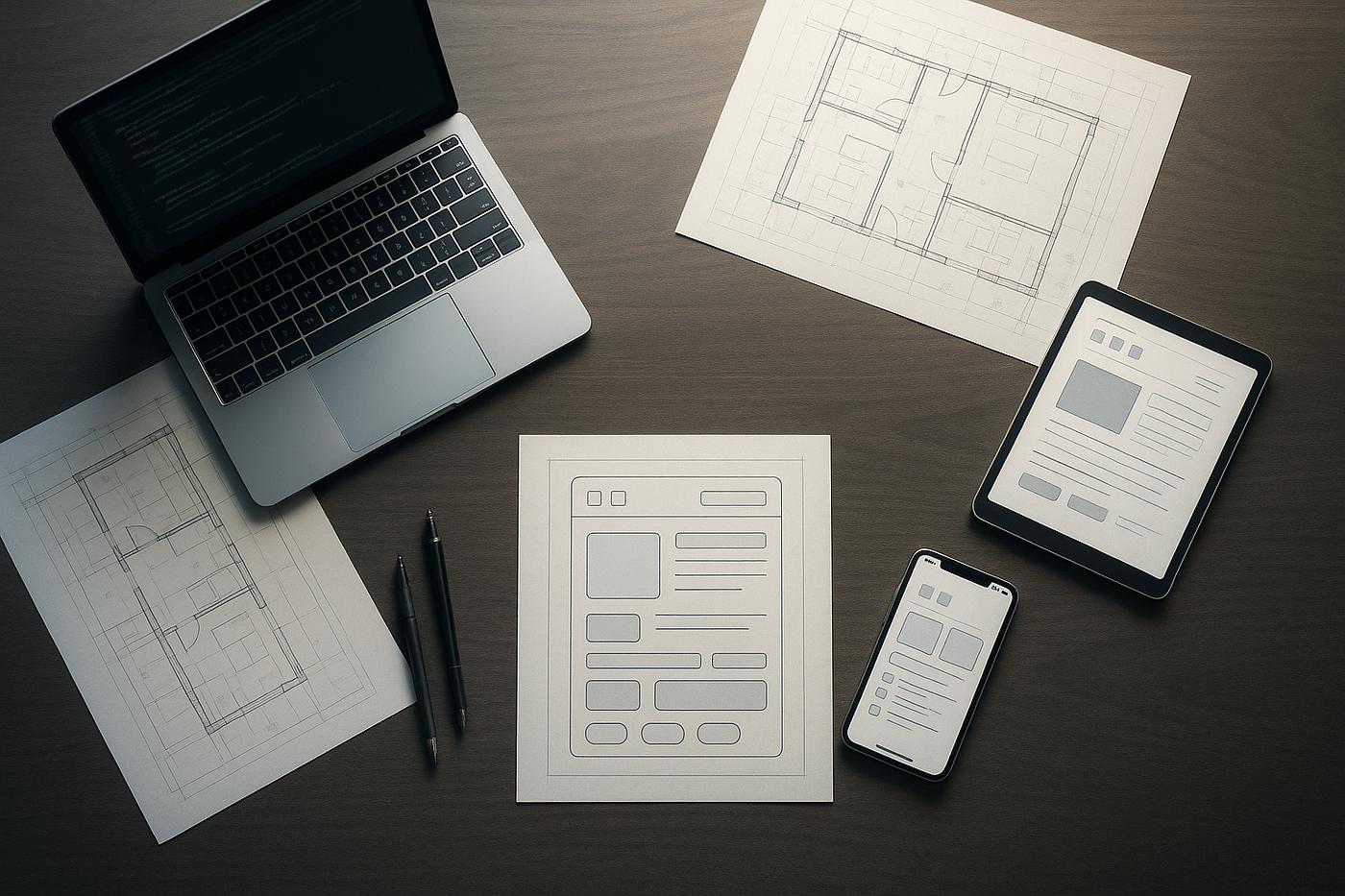
We create a modern and recognizable design in your brand style, adapted to all devices and user needs.
We turn the design into a fast, stable and functional website on our own CMS (PHP, JavaScript, Bootstrap) — without plugin bloat. If the project needs WordPress, we build on it too.

We fill the site with content, perform basic SEO optimization and connect CRM, analytics and the necessary services.
We thoroughly check the speed, responsiveness, functionality and correctness of the site before publishing it.
We stay by your side after launch: we provide technical support, updates, improvements and further development of the project.
Everything we agree is put in writing, and we never take money up front — you see the result of the work before you pay for it.
We take no money in advance. Payment terms are agreed with you beforehand — by arrangement or under the contract.
Contract, invoice and certificate of completed work. We are a Ukrainian sole proprietor (FOP, 3rd group) and not VAT-registered, so the price is final — no VAT is added on top.
We fix the scope, cost and timeline before work starts. Any new task begins only after you have approved its price.
The consultation and project estimate cost nothing and commit you to nothing. We reply within 15 minutes during working hours.
We know how a dental clinic website differs from a furniture maker's. Pick your field — you'll find the structure, integrations and pricing built for it:
We build modern websites that combine thoughtful design, high speed and convenient functionality. From corporate sites to complex web projects — solutions that work for your business growth.
We design online stores with a well-thought-out structure, fast performance and convenient checkout. We integrate payment, delivery and everything needed for effective online sales.
We create landing pages that grab attention and motivate action. A thoughtful structure, strong design and conversion focus help you get more leads.
Design for new websites and redesigns of old ones, UX audits, mockups in Figma or Photoshop and pixel-perfect coding. We also create logos and brand identity. We make sure the site is clear to people and brings in leads, not just looks good.
We optimize the site for search engines, improve its visibility in Google and attract the target audience. We work on technical optimization, content and organic traffic growth.
We set up and run ads on Google, Facebook, Instagram and TikTok, and help businesses show up in ChatGPT and AI search answers. A transparent budget, clear reports and prices published on the site.
We run Instagram, Facebook and TikTok for businesses: a content plan, posts, Reels and Stories in one consistent style. We also set up pages from scratch — profile photo, bio, covers, buttons and a link to your site.
We ensure the stable operation of the site: updates, backups, bug fixes, security control and technical support. You grow your business — we take care of the site.
We host websites on fast SSD hosting with SSL, daily backups and 24/7 monitoring. Moving from another host? The migration is free — and you get 2 weeks of hosting as a gift.
 Let’s create something amazing together