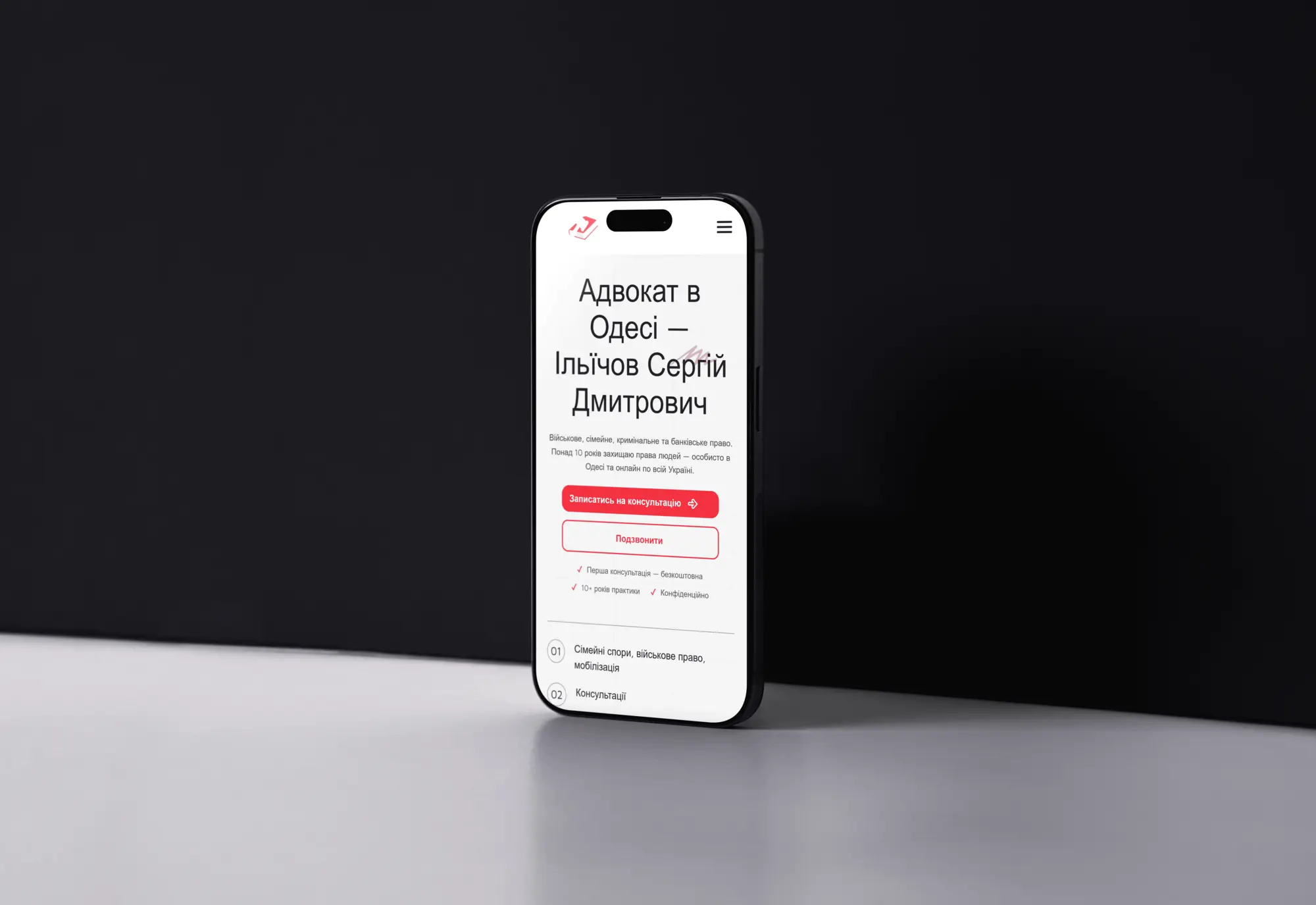
NEW CASE
Antana

We create digital solutions that work for businesses


Give us a call +38 (066) 35-14-529

Let's take the first step towards your website — write to us

Close
Tools

SSL Certificate Check

SSL certificate: issuer and days remaining.

Why a site needs an SSL certificate

Without one the browser shows a warning and a share of visitors leave before the page even loads.

Encrypted traffic Logins, passwords and card details travel through a channel nobody can read in transit.
Browser trust A normal page load instead of a red warning. Without a certificate Chrome plainly says “Not secure”.
Search rankings Google has treated https as a ranking signal since 2014. All else equal, a site without it loses ground.
Taking payments Payment providers will not connect a store without one. That is a requirement, not a preference.

Certificate types

The difference is not encryption strength, which is identical. It is what gets verified before issuing.

DV Only domain ownership is checked. Issued in minutes; free certificates are DV too. Fine for most sites.
OV The company is verified as well. Issued within days; the business name appears in the certificate details.
EV The strictest legal-entity check. It once produced a green address bar; today there is almost no visual difference.
Wildcard Covers every subdomain at once: shop, blog, mail. Useful when you have many.

Why a certificate stops working

It expired The most mundane outage there is. Free certificates last 90 days and should renew automatically; when renewal breaks, your customers tell you first.
Issued for a different domain A certificate for example.com does not cover www.example.com unless that name was added. The browser treats it as a mismatch.
Incomplete chain The server sends only its own certificate without the intermediate. Browsers cope, but mobile apps and payment gateways refuse to connect.
Mixed content The page loads over https but images or scripts come over http. The padlock disappears even though the certificate is fine.

Check a website SSL certificate

Enter a domain — the service connects to the site over HTTPS, pulls the certificate and shows the essentials: who issued it (Let's Encrypt, Sectigo, DigiCert etc.), from what date and until when it is valid, how many days are left, and exactly which domains it covers (SAN). If the certificate is expired — you see it immediately.

An expired SSL is a disaster: browsers show a red warning and up to 90% of visitors leave. Check the certificate 2 weeks before expiry, or better, set up auto-renewal. We monitor SSL for all our clients' sites automatically so this never happens.


FAQ

Why check an SSL certificate?
To make sure the certificate is valid and not expired — otherwise browsers show visitors a security warning and people leave the site.
What are SAN domains?
SAN (Subject Alternative Name) is a list of domains covered by one certificate. For example, example.com and www.example.com can be in one certificate.
When to renew a certificate?
We recommend renewing 2 weeks before expiry. Lets Encrypt renews automatically every 90 days, but check that auto-renewal works.
What to do if the certificate expired?
Renew it immediately via hosting or a certificate authority. An expired SSL blocks site access in all modern browsers.
Telegram Viber Call us